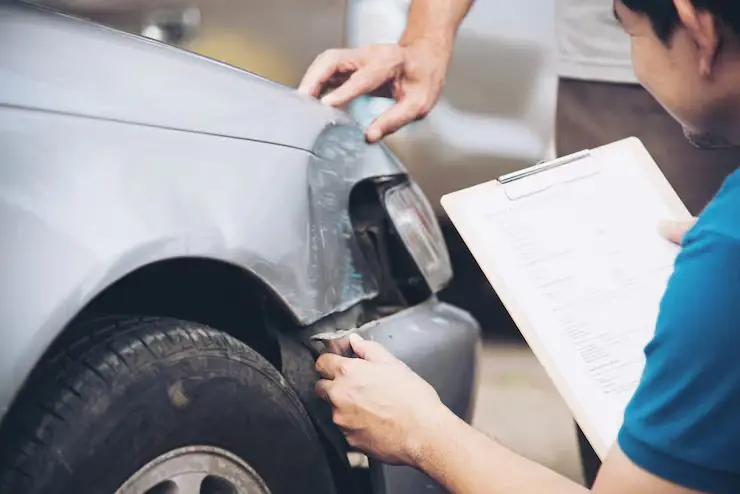
Most car accident settlements take anywhere from a few months to over a year, and the exact car accident settlement timeline depends on how serious the injuries are, how clear liability is, and how cooperative the insurance company turns out to be.
Minor claims with obvious fault and completed medical treatment often wrap up in 3 to 6 months. Cases involving surgery, long-term care, or disputed fault can stretch well past a year.
There’s no fixed number here. Any lawyer who promises a specific timeline before reviewing your case is guessing. What follows is the general path most claims take, along with the factors that speed things up or slow them down.
Key Takeaways
- Most settlements are not instant. Expect weeks or months of back-and-forth.
- Medical treatment and documentation usually set the pace of a claim.
- Clear liability can significantly speed up negotiations.
- Serious injuries are more difficult to value accurately.
- Filing a lawsuit does not automatically mean heading to trial.
- A lawyer can help prevent unnecessary delays and undervalued offers.
Typical Car Accident Settlement Timeline
Most claims move through six general stages, though the order can shift depending on the case. Here’s what usually happens between the crash and the final check.
1. Medical Treatment and Recovery
Settlement talks usually wait until your condition is understood. Doctors need time to determine whether you’ve reached maximum medical improvement, meaning your recovery has stabilized, and future care needs are clear.
Settling before that point is risky. You could sign away your right to compensation for treatment you haven’t needed yet, like a future surgery or ongoing physical therapy.
2. Investigation and Evidence Collection
Once treatment is underway, your attorney starts building the case. This means gathering police reports, photos of the scene, witness statements, and estimates of vehicle damage.
Medical records, lost wage documentation, and insurance details from every involved party get collected, too. Thorough evidence here often prevents disputes later.
3. Sending the Demand Letter
A demand letter formally opens negotiations. It lays out liability, describes your injuries, and itemizes medical costs, lost income, and pain and suffering.
The letter ends with a specific dollar amount requested. It’s the foundation everything else builds on, so accuracy matters more than speed.
4. Insurance Review and Response
The insurer reviews the demand letter and may request additional documentation before responding. This step alone can take several weeks, especially with larger claims.
From here, the insurance company can accept the demand, deny it outright, or make a lower counteroffer. Most cases land in that third category.
5. Settlement Negotiations
Negotiation rounds between your attorney and the insurer are normal, not a red flag. Offers and counteroffers usually move back and forth several times before landing on a number both sides accept.
Patience tends to pay off more than pressure does during this stage.
6. Settlement Agreement and Payment
Once both sides agree, you’ll sign a release form giving up any further claims related to the accident, including any health insurer or hospital lien, which will be resolved from the settlement funds.
Attorney fees and case costs are deducted if you were represented, and the remaining balance gets disbursed to you.
Factors That Can Make a Car Accident Settlement Take Longer
Some cases move quickly. Others hit snags that add months or years to the process. Here’s what tends to cause the delays.
Serious or Ongoing Injuries
Severe injuries simply need more documentation. Surgery, rehabilitation, or long-term impairment all require additional medical records before a fair value can even be calculated.
Disputes Over Fault
When liability is contested, everything slows down. California follows a comparative fault rule, meaning your compensation can be reduced by whatever percentage of fault you’re assigned, so insurers often fight hard over this point.
Multiple Vehicles or Parties
Crashes involving rideshare drivers, commercial trucks, multiple insurers, or an uninsured motorist bring more parties to the table. More parties generally means more back-and-forth before everyone agrees.
Insurance Company Delays
Adjusters sometimes request extra paperwork, respond slowly, or float lowball offers hoping you’ll accept out of frustration. These tactics are common enough that they shouldn’t come as a surprise.
High-Value Claims
Larger claims draw more scrutiny. Insurers tend to examine six-figure and seven-figure demands far more closely before agreeing to pay, which naturally extends the review period.
Filing a Lawsuit
A lawsuit becomes necessary when the insurer refuses a reasonable settlement. It can add months to the process, but it’s sometimes the only way to secure fair compensation.
Can a Car Accident Settlement Happen Quickly?
Yes, in the right circumstances. Straightforward claims with minor injuries, clear fault, completed medical treatment, and a cooperative insurer can sometimes settle in a matter of weeks.
Speed isn’t always a good sign, though. Fast offers made before your treatment is finished often undervalue the claim, since nobody yet knows the full cost of your recovery.
Why You Should Not Settle Before You Know the Full Extent of Your Injuries
Once you sign a release, the claim is closed for good. You generally cannot reopen it later, even if new symptoms appear or treatment costs exceed expectations.
This matters most for future medical care, reduced earning capacity, and pain and suffering, all of which are hard to value accurately while treatment is still ongoing. Waiting until your condition stabilizes protects your right to full compensation.
How a Car Accident Lawyer Can Help With the Settlement Timeline
An experienced attorney investigates liability, calculates the true value of your damages, and handles all communication with the insurance company on your behalf.
That includes preparing a well-documented demand package, negotiating firmly against lowball offers, and filing suit if the insurer won’t budge. Having a Los Angeles car accident attorney involved from the start also tends to prevent unnecessary delays, since insurers know a represented claimant won’t accept an undervalued number.
Speak With a Redondo Beach Car Accident Lawyer
If you’re working through a claim in Redondo Beach, Torrance, or elsewhere in the South Bay, a car accident lawyer in Redondo Beach can help you avoid the common pitfalls that stall or shrink a settlement.
A car accident lawyer Torrance families rely on can also walk you through what to expect at each stage, from the first demand letter to final payment. Reaching out to a law firm in Redondo Beach that drivers have worked with before costs you nothing to start, since most personal injury cases run on contingency.
Conclusion
The honest answer is that it depends. Injury recovery, evidence strength, liability disputes, and insurance negotiations all shape how long a claim takes, and litigation adds more time still.
Waiting until your claim is properly valued, rather than rushing to close it out, is what protects your compensation in the long run.
Frequently Asked Questions
What is the average car accident settlement timeline?
Minor cases with clear liability often settle within three to six months. Serious injury claims or disputed fault cases frequently take a year or longer to resolve fairly.
What is a demand letter in a car accident claim?
A demand letter is a formal document that outlines liability, injuries, medical costs, lost income, and pain and suffering. It starts formal settlement negotiations with the insurer.
Should I accept the first settlement offer from the insurance company?
Not without review. First offers often arrive before treatment is complete and rarely reflect the full scope of damages, especially future medical needs.
Can I speed up my car accident settlement?
Yes, to some extent. Getting timely medical care, maintaining thorough documentation, responding promptly, and hiring an attorney all help move the process along more quickly.
When should I file a lawsuit after a car accident?
A lawsuit may become necessary if negotiations stall, liability remains disputed, or the statute of limitations is approaching without a fair resolution in sight.