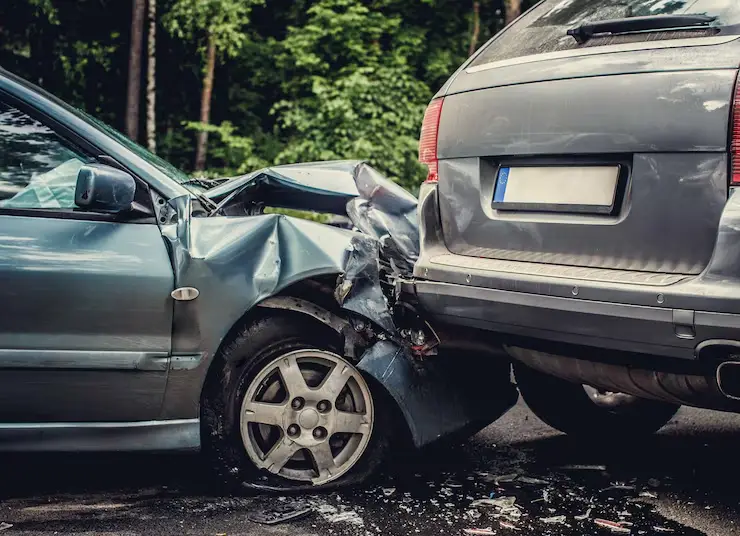
Finding out the driver who hit you has no insurance, or not enough of it, does not mean you’re out of options. California law gives accident victims several potential paths to compensation, including uninsured motorist (UM) and underinsured motorist (UIM) coverage.
Discovering this coverage gap right after a crash can feel overwhelming, especially with medical bills already piling up. The good news is that your own policy and, sometimes, other sources may still be able to help.
What Does It Mean if a Driver Is Uninsured or Underinsured?
These two terms sound similar but describe different situations. Understanding which one applies to your case shapes which type of claim you’ll need to file.
Uninsured Driver
An uninsured driver has no active auto insurance policy at the time of the crash. In some situations, hit-and-run drivers who can’t be identified are also treated as uninsured for claim purposes, since there’s no policy to pursue them under.
Underinsured Driver
An underinsured driver does carry a policy, but the coverage limits are too low to pay for your damages fully. This is common when a driver carries only the state’s minimum required coverage.
How Common Are Uninsured Drivers in California?
Uninsured and underinsured claims are more common than many drivers expect. According to the Insurance Information Institute, roughly 12.6 percent of motorists nationwide, or about one in eight drivers, were uninsured based on a 2021 study by the Insurance Research Council.
California has historically tracked above the national figure in industry reporting, and current state-specific rates should be confirmed against the latest available report before publishing.
Part of the issue ties back to how low the state’s coverage floor used to be. As of January 1, 2025, California requires drivers to carry minimum liability limits of $30,000 per person and $60,000 per accident for bodily injury, plus $15,000 for property damage, according to the California Department of Insurance. Even with these updated limits, a serious injury can still exceed the at-fault driver’s policy limits.
What Are Your Options if the At-Fault Driver Has No Insurance?
If the other driver has no insurance at all, you’re not necessarily left covering the costs yourself. A few potential paths may be available depending on your own policy and the circumstances of the crash.
File an Uninsured Motorist (UM) Claim
If you carry UM coverage, your own insurer steps in to pay for your injuries as if the at-fault driver had been insured, up to your policy’s limits. This is often the fastest path to compensation.
Use Medical Payments (MedPay) Coverage (if available)
MedPay coverage, if you purchased it, can pay for medical costs regardless of who caused the accident. It’s typically limited in amount but can help cover early expenses while a larger claim is being evaluated.
Sue the At-Fault Driver
You can also pursue a lawsuit directly against the uninsured driver. In practice, this option is often limited if the driver has few assets, since a judgment is only as useful as the driver’s ability to pay it.
What Happens if the Driver’s Insurance Isn’t Enough?
When the at-fault driver has insurance, but the policy limits fall short of your actual damages, a different type of claim usually comes into play.
Filing an Underinsured Motorist (UIM) Claim
UIM coverage generally becomes available once the at-fault driver’s policy limits have been exhausted. Your own UIM coverage can then pay the difference, up to your policy’s limits, for damages the other driver’s insurance didn’t cover. This process typically requires notifying your own insurer once you know the at-fault driver’s limits, so timing matters.
What Damages May Be Covered?
Available compensation depends heavily on your specific policy language and the facts of the crash, but UM and UIM claims often address several categories of loss. These typically include:
- Medical expenses already incurred
- Future medical treatment tied to the injury
- Lost income from missed work
- Reduced future earning capacity
- Pain and suffering
- Property damage, where the policy allows it
Not every policy covers all of these categories the same way. Reviewing your declarations page or asking your insurer directly can clarify what your specific coverage includes before you file.
What if the Accident Was a Hit-and-Run?
Hit-and-run accidents may still qualify for UM benefits, even though the driver can’t be identified or located. Insurers typically require the crash to be reported to the police promptly to support this type of claim.
Contacting police immediately after a hit-and-run is important for more than just the report itself. It creates an official record that can support your UM claim later, particularly if there’s a dispute about whether the incident actually happened as described.
Challenges in Uninsured and Underinsured Motorist Claims
UM and UIM claims are not always straightforward, even when the coverage clearly applies. Common issues that slow down or complicate these claims include:
- Disputes over what the policy actually covers
- Policy exclusions buried in the fine print
- Disagreements over who was at fault
- Delayed investigations by the insurance company
- Low initial settlement offers
- Multiple overlapping insurance policies are involved in one crash
Because your own insurer is technically the one paying a UM or UIM claim, some adjusters treat these claims more cautiously than a standard third-party claim.
How to Protect Your Rights After an Accident With an Uninsured Driver
What you do in the hours and days after the crash can directly affect the strength of your claim. A few basic steps make a meaningful difference.
Call the Police
A police report creates an official record of the accident, which matters even more when the at-fault driver has no insurance to point to.
Seek Medical Care
Getting evaluated promptly protects your health and creates medical documentation that connects your injuries directly to the accident.
Gather Evidence
Photos of the scene, vehicle damage, and any visible injuries can help support your claim later, especially if the other driver disputes what happened.
Notify Your Insurance Company
Report the accident to your own insurer promptly, even if you believe the other driver was entirely at fault. This preserves your right to file a UM or UIM claim.
Avoid Accepting a Quick Settlement
Early settlement offers are often lower than what a claim may actually be worth. Accepting one usually closes the door on seeking more later.
Why You Should Talk to a Personal Injury Lawyer
An attorney can review your available insurance coverage, including UM and UIM provisions you may not realize you have. This step alone often reveals options a driver didn’t know existed.
Beyond your own policy, an attorney can investigate other possible sources of compensation, such as a commercial vehicle owner or a third party with partial liability. A personal injury attorney in Los Angeles can also negotiate directly with insurers on your behalf.
Handling a UM or UIM claim without guidance means negotiating against your own insurance company’s adjusters, whose job includes limiting payouts. An attorney familiar with these claims can push back on lowball offers and help protect your legal rights throughout the process.
Talk to a Redondo Beach Personal Injury Lawyer About Your Options
Don’t assume you have no case simply because the at-fault driver lacked insurance. Between your own UM or UIM coverage, MedPay, and other potential sources, there are often more paths to compensation than people expect.
A personal injury attorney Redondo Beach residents contact after an accident, and a Los Angeles car accident lawyer handling similar cases across the region, can review your policy and outline realistic next steps.
If you were hit by a driver with no insurance or insufficient insurance, the team at Kirtland & Packard is available for a free consultation to review what happened and explain your options. Call (310) 536-1000 or visit the contact page to get started.
This article is for general informational purposes only and is not legal advice. Contact an attorney to discuss the specific facts of your situation.
Frequently Asked Questions
A few quick answers to common questions about uninsured and underinsured motorist claims.
Can I sue an uninsured driver in California?
Yes, you can file a lawsuit directly against an uninsured driver, though recovering a judgment can be difficult if the driver has few personal assets.
Will my insurance rates increase if I use UM or UIM coverage?
Rate impacts vary by insurer and state rules. Ask your insurance company directly how filing a UM or UIM claim may affect your premium.
What damages does uninsured motorist coverage pay for?
UM coverage typically pays for medical expenses, lost income, and pain and suffering, subject to your policy's specific limits and language.
Does uninsured motorist coverage apply to hit-and-run accidents?
Often yes, provided the accident is reported to police promptly and your policy's requirements for this type of claim are met.